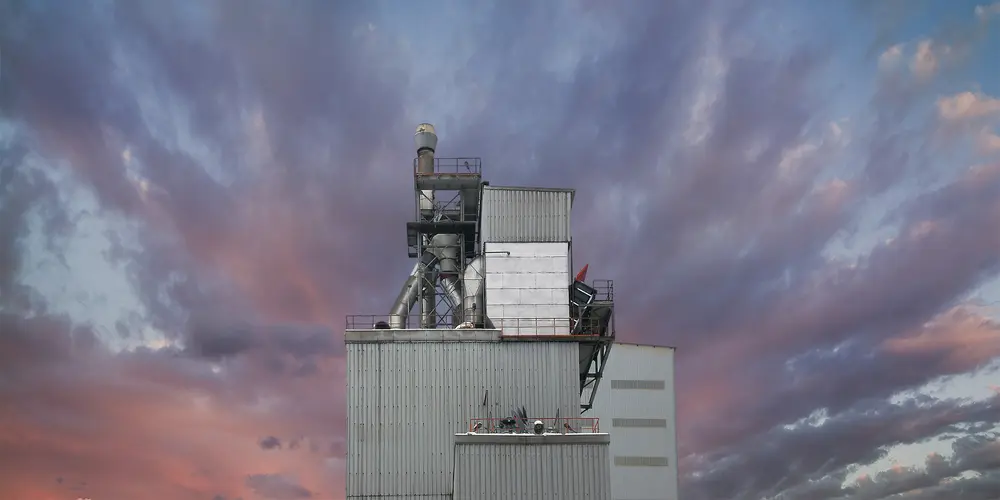
Coal mills, essential components in power generation and various industrial processes, pose significant safety risks if not properly managed. These mills, used to grind coal into a fine powder for combustion, present potential hazards such as fire, explosion, and mechanical failures. This article outlines best practices and precautions to ensure the safe operation of coal mills.
Understanding the hazards
- Fire and Explosion Risks: Coal dust is flammable and can lead to catastrophic fires and explosions if not controlled. The presence of volatile gases further amplifies this risk.
- Mechanical Failures: High-speed rotating parts and heavy machinery in coal mills can lead to serious injuries if maintenance is neglected.
- Health Hazards: Coal dust inhalation can cause respiratory issues and long-term health problems for workers.
Installed Safety Technology
Be aware that: - What has been installed in your plant may have serious design issues as the result of misplaced trust in incompetent suppliers. This website informs about ubiquitous wrongs in the design and installation of coal grinding systems.
Best Practices for Safe Operation
- Regular Maintenance and Inspection:
- Routine Checks: Perform regular inspections of all components, including grinding rollers, grinding tables, and the mill’s structural integrity and explosion pressure shock resistance. Look for signs of wear, cracks, and abnormal vibrations.
- Scheduled Maintenance: Adhere to a strict maintenance schedule to replace worn parts, lubricate moving components, and ensure all safety systems are operational.
- Dust Control Measures:
- Avoidance of Dust Spilling: Install dust extraction systems to minimize airborne coal dust.
- Housekeeping: Implement stringent housekeeping protocols to keep the mill area clean and free from dust accumulations.
- Fire and Explosion Prevention:
- Inerting Systems: Where possible operate the mill system with process air with a reduced O₂ content. Have an emergency inerting systems (gaseous N₂ or CO₂) in place and in case of elevated temperature or CO values use it to quickly reduce the equipment-internal O₂ to a value below 12 % as to avoid an explosive atmosphere.
- Temperature Monitoring: Continuously monitor the temperature within the mill and connected equipment. High temperatures can be an early warning sign of hazards.
- Gas Detection: Install gas detection systems to monitor for the presence of CO that shows an increased explosion hazard.
- Emergency Preparedness:
- Emergency Response Plan: Develop and regularly update an emergency response plan. Conduct regular drills to ensure all personnel are trained to respond effectively to incidents.
- Training and Awareness:
- Safety Training: Provide comprehensive safety training for all employees, focusing on the specific hazards associated with coal mills and the correct use of safety equipment.
- Regular Updates: Keep workers informed about any changes in safety protocols or new hazards that may arise.
- Protective Equipment:
- Personal Protective Equipment (PPE): Ensure that all workers wear appropriate PPE, including dust masks, helmets, gloves, and eye protection.
- Respiratory Protection: Provide respiratory protection for workers in high dust areas to prevent long-term health issues.
- Monitoring and Control Systems:
- Automation and Control: Implement advanced automation systems to monitor mill operations continuously. Automated controls can shut down the mill in case of anomalies, preventing accidents.
- Real-Time Data Analysis: Use real-time data analytics to detect trends and potential issues before they become critical.
- Ventilation:
- Proper Ventilation: Ensure adequate ventilation in the mill area to disperse any accumulated gases and reduce the risk of explosions.
Conclusion
The safety of coal mills is paramount for the well-being of workers and the smooth operation of industrial processes. By adhering to these best practices and implementing robust safety measures, the risks associated with coal mills can be significantly reduced. Regular maintenance, effective dust control, comprehensive training, and emergency preparedness are key components in ensuring a safe working environment in coal mill operations. Through continuous vigilance and proactive management, hazards can be mitigated or avoided.